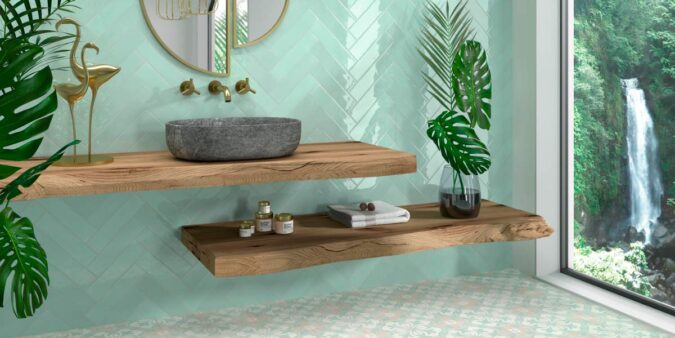
Durante años, elegir entre un acabado mate o brillante en un revestimiento cerámico parecía una decisión definitiva e irrevocable. Sin embargo, el diseño de interiores contemporáneo ha evolucionado hacia un enfoque mucho más sofisticado: la combinación estratégica de ambos acabados en un mismo espacio para potenciar su carácter, profundidad y riqueza visual.
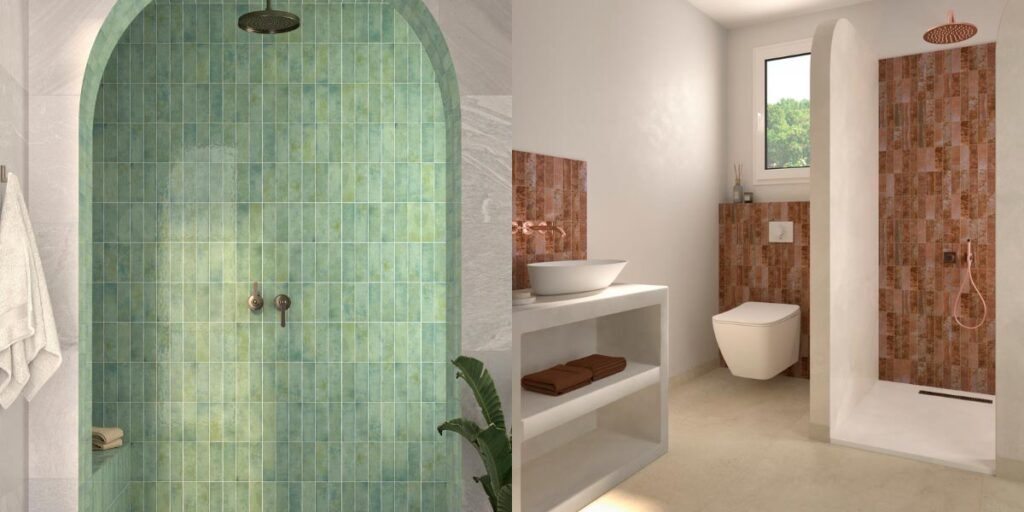
La clave de esta tendencia reside en el modo en que cada superficie interactúa con la luz. Los acabados brillantes reflejan tanto la luz natural como la artificial, amplían visualmente el espacio y aportan dinamismo. Los acabados mates, en cambio, absorben parte de esa luz, generando ambientes más cálidos, serenos y contemporáneos. Cuando se combinan de forma equilibrada, el resultado es un interior mucho más inmersivo y elegante.
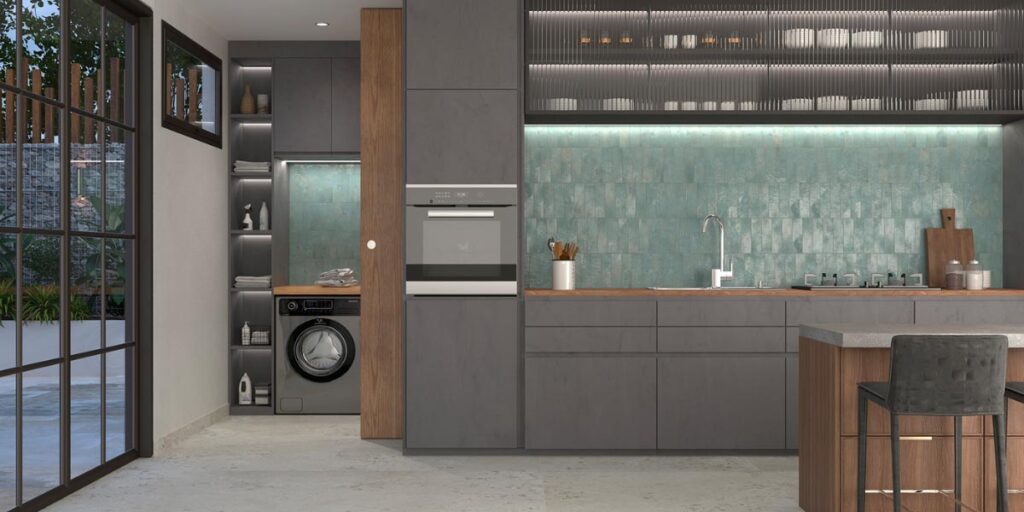
En baños, una de las soluciones más populares consiste en revestir la zona de ducha con azulejos brillantes y el resto de las paredes con acabados mates, logrando así destacar el área húmeda sin romper la armonía del conjunto. En cocinas, los frentes brillantes de los fondos de encimera contrastan eficazmente con pavimentos o revestimientos mates de gran formato, aportando luminosidad sin sobrecargar visualmente el espacio.
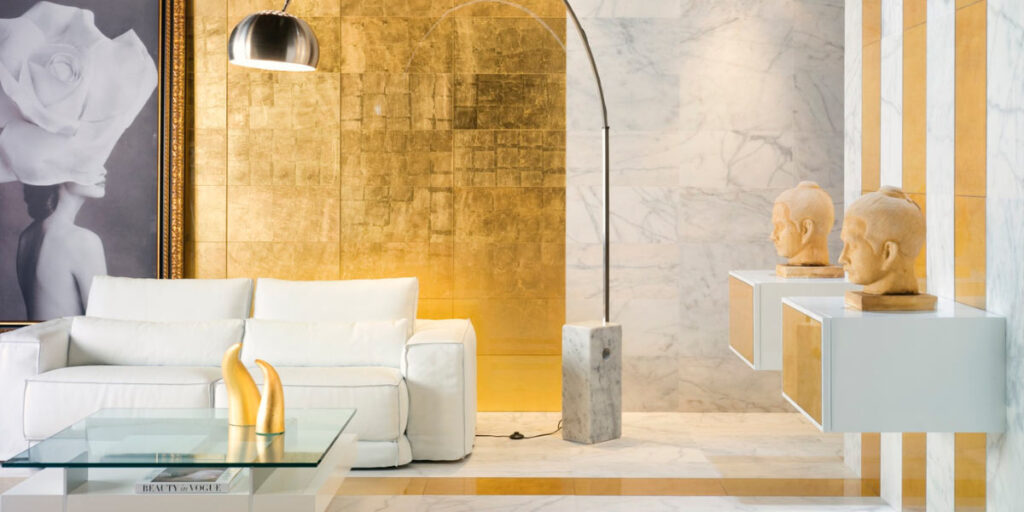
En salones y espacios diáfanos, los revestimientos decorativos con acabado brillante aplicados en paredes de acento generan profundidad y dinamismo sin necesidad de introducir colores llamativos ni materiales adicionales. Y en proyectos contract —hoteles, restaurantes, spas o establecimientos comerciales—, esta combinación se ha convertido en una herramienta esencial para crear atmósferas más exclusivas, capaces de guiar la circulación, potenciar la iluminación ambiental y reforzar la identidad de marca.

El secreto para que la combinación funcione reside en mantener una paleta cromática coherente y reservar los acabados brillantes para zonas concretas de protagonismo visual, dejando que las superficies mates actúen como base equilibradora del conjunto.
How to Combine Glossy and Matte Tiles to Create Spaces with Personality
For years, choosing between a matte or glossy finish for ceramic wall and floor coverings seemed like a definitive, irreversible decision. However, contemporary interior design has evolved towards a far more sophisticated approach: the strategic combination of both finishes within the same space to enhance its character, depth, and visual richness.
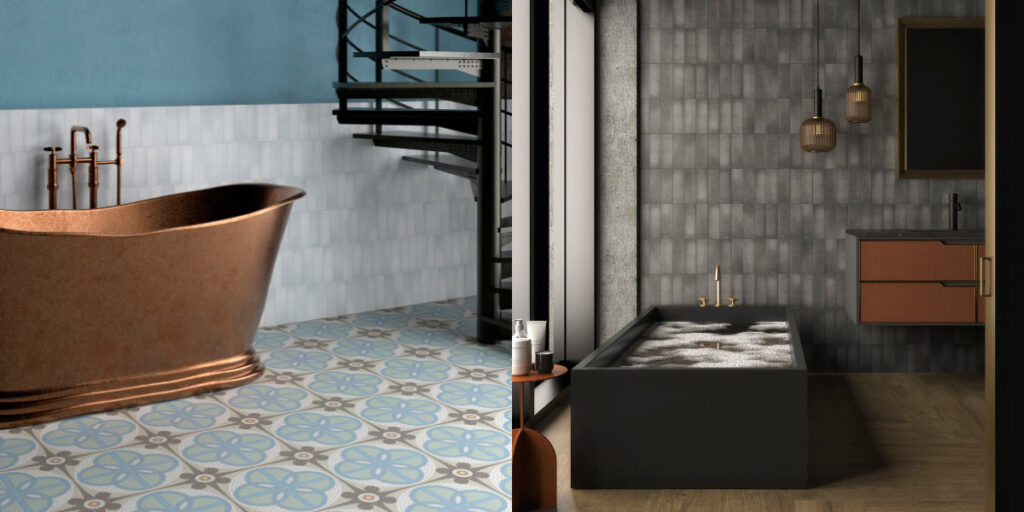
The key to this trend lies in the way each surface interacts with light. Glossy finishes reflect both natural and artificial light, visually expanding the space and adding dynamism. Matte finishes, on the other hand, absorb part of that light, creating warmer, more serene and contemporary environments. When combined in a balanced way, the result is a far more immersive and elegant interior.
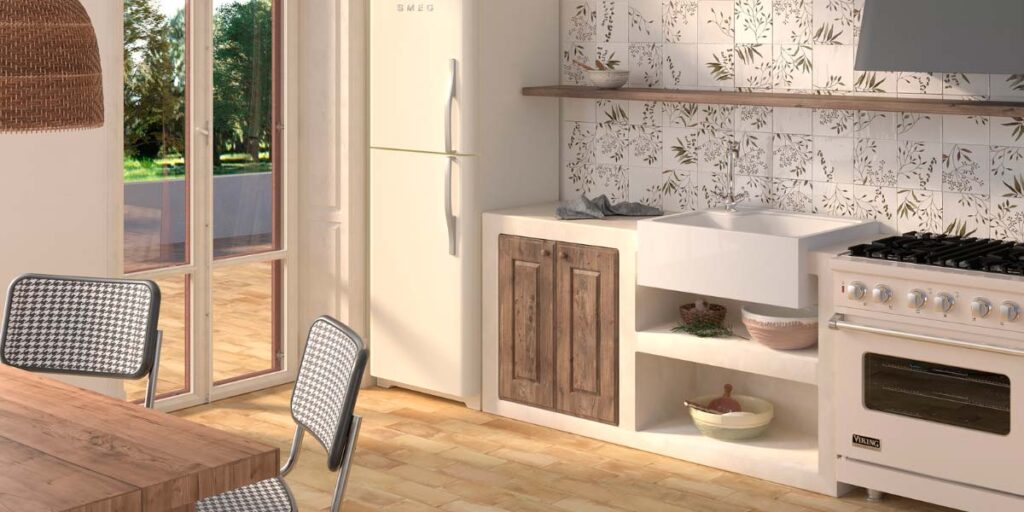
In bathrooms, one of the most popular solutions involves covering the shower area with glossy tiles while applying matte finishes to the remaining walls, thus highlighting the wet zone without disrupting the overall harmony. In kitchens, glossy backsplashes contrast effectively with large-format matte floor or wall coverings, bringing brightness without visually overloading the space.
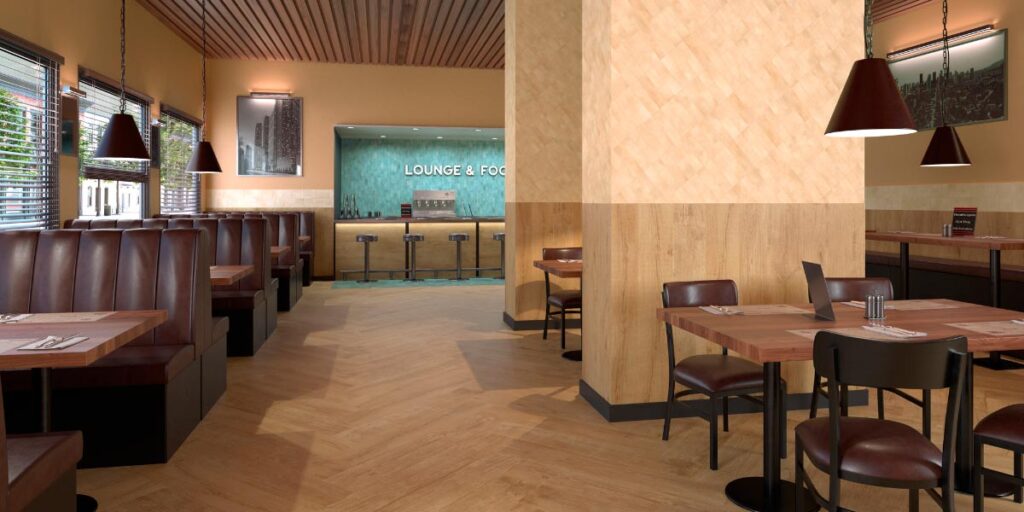
In living rooms and open-plan areas, decorative coverings with a glossy finish applied to feature walls generate depth and dynamism without the need for bold colours or additional materials. And in contract projects — hotels, restaurants, spas, and retail spaces — this combination has become an essential tool for creating more exclusive atmospheres, capable of guiding circulation, enhancing ambient lighting, and reinforcing brand identity.
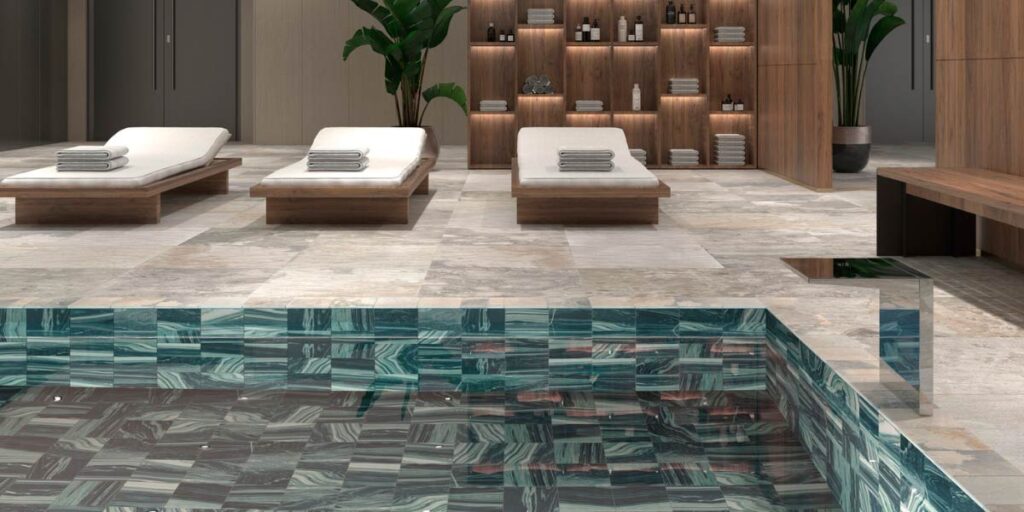
The secret to making the combination work lies in maintaining a coherent colour palette and reserving glossy finishes for specific areas of visual prominence, allowing matte surfaces to act as the balancing foundation of the overall composition.
Autora: Lledó Barberá
Author: Lledó Barberá