Arup, firma global de desarrollo sostenible, ha participado en el lanzamiento de NuBau Labs™, un proyecto europeo de 4 millones de euros financiado por Horizonte Europa y concebido junto con Queen’s University Belfast. Su objetivo es recuperar materiales de edificios existentes y convertirlos en nuevos componentes de construcción, en lugar de que acaben como residuos. La iniciativa responde a dos grandes retos del sector: las emisiones asociadas a la fabricación de nuevos materiales y los residuos de la demolición.
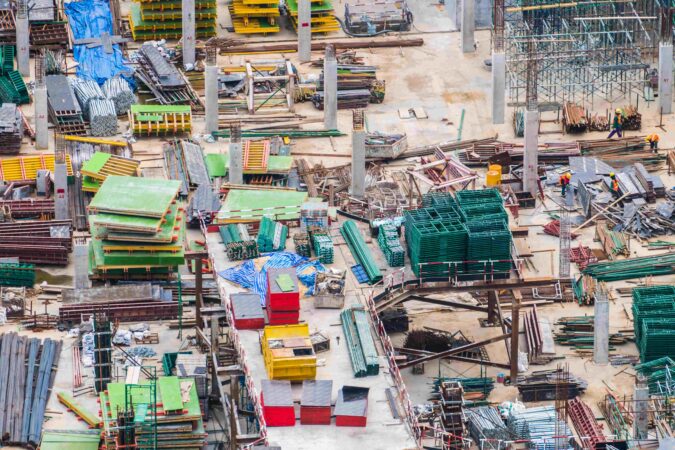
El primer centro piloto se ubicará en el río Támesis, al este de Londres, y se apoyará en la minería urbana, que entiende las ciudades como grandes bancos de materiales. Allí, los materiales recuperados, inicialmente hormigón y acero, se someterán a pruebas, certificación y remanufactura, con la meta de crear un modelo replicable en otras ciudades europeas. El proyecto implicará a comunidades, diseñadores, artistas e ingenieros, siguiendo los principios de la Nueva Bauhaus Europea.
Entre las primeras soluciones figura ReVault, un sistema de Arup que reutiliza hormigón recuperado en forjados y reduce un 70 % el carbono incorporado. Su Taylor, de Queen’s, lidera el proyecto. El consorcio multidisciplinar incluye, entre otros, GXN, Politecnico di Torino y Keltbray.
Arup drives NuBau Labs™, a €4 million European project to give construction materials a second life
Arup, a global sustainable development firm, has taken part in the launch of NuBau Labs™, a €4 million European project funded by Horizon Europe and conceived together with Queen’s University Belfast. Its aim is to recover materials from existing buildings and turn them into new construction components, rather than letting them end up as waste. The initiative addresses two of the sector’s major challenges: the emissions associated with manufacturing new materials and the waste generated by demolition.
The first pilot centre will be located on the River Thames, in east London, and will draw on urban mining, which views cities as large banks of materials. There, recovered materials, initially concrete and steel, will undergo testing, certification and remanufacturing, with the goal of creating a model that can be replicated in other European cities. The project will involve communities, designers, artists and engineers, following the principles of the New European Bauhaus.
Among the first solutions is ReVault, an Arup system that reuses recovered concrete in floor slabs and cuts embodied carbon by 70%. Su Taylor, of Queen’s, leads the project. The multidisciplinary consortium includes, among others, GXN, Politecnico di Torino and Keltbray.