ASCER, la Asociación Española de Fabricantes de Azulejos y Pavimentos Cerámicos, en colaboración del Observatorio de Tendencias del Hábitat, y con el apoyo de la Conselleria de Economía, Hacienda y Administración Pública de la Generalitat Valenciana, ha celebrado un workshop para presentar y trabajar las tendencias en superficies cerámicas 2027 con la prensa especializada en decoración, diseño y lifestyle.
La cerámica española vive un momento de gran madurez técnica y con una capacidad de reproducción y transformación material cada vez mayor. Al mismo tiempo, el diseño está poniendo más atención en cuestiones como la experiencia, la materialidad, la identidad y la relación entre superficie y espacio.
Hablar de tendencias en superficies ya no significa hablar únicamente de estética. Significa analizar cómo la materia responde a los grandes desafíos contemporáneos: la regeneración de los recursos, el cuidado de las personas, la integración silenciosa de la tecnología, la recuperación de la cultura material o la búsqueda de nuevas experiencias sensoriales.
De esta manera, se plantean cuatro líneas decorativas y gráficas de las superficies cerámicas para 2027, identificadas por THE-X el Observatorio de tendencias del ITC, que invitan a explorar nuevas posibilidades estéticas y productivas para seguir posicionando la cerámica como un elemento clave en la construcción de espacios memorables, sostenibles y profundamente humanos.
ASCER, the Spanish Ceramic Tile Manufacturers’ Association, in collaboration with the Habitat Trends Observatory and with the support of the Regional Ministry of Economy, Finance and Public Administration of the Generalitat Valenciana, has held a workshop to present and discuss the ceramic surface trends for 2027 with the specialist press in decoration, design and lifestyle.
Spanish ceramics are going through a period of great technical maturity, with an ever-greater capacity for material reproduction and transformation. At the same time, design is paying more attention to issues such as experience, materiality, identity and the relationship between surface and space.
Talking about surface trends no longer means talking only about aesthetics. It means analyzing how matter responds to the major challenges of our time: the regeneration of resources, the care of people, the silent integration of technology, the recovery of material culture and the search for new sensory experiences.
In this spirit, four decorative and graphic lines for ceramic surfaces in 2027 are proposed, identified by THE-X, the ITC trends observatory. They invite us to explore new aesthetic and productive possibilities and to keep positioning ceramics as a key element in building memorable, sustainable and deeply human spaces.
Matterwise: la materia como inteligencia adaptativa
Esta tendencia explora una nueva generación de materiales donde biología, tecnología y artesanía convergen para construir superficies más honestas, resilientes y adaptativas. En este contexto, la cerámica responde desde su propia esencia mineral, combinando materias primas naturales, conocimiento técnico e innovación para crear soluciones duraderas y expresivas.
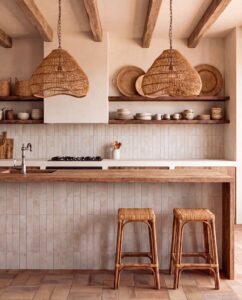
La materia ya no es únicamente un refugio emocional; se convierte en un sistema inteligente capaz de regenerarse, almacenar memoria y colaborar con los procesos naturales. La cerámica acompaña esta visión a través de superficies que reinterpretan las huellas de la tierra, las sedimentaciones, las pátinas y las texturas orgánicas, trasladando la riqueza del mundo natural a espacios diseñados para perdurar.
Los interiores recuperan materiales con identidad, técnicas locales y procesos constructivos que ponen en valor el origen de la materia. La cerámica incorpora tecnologías avanzadas para reproducir relieves, acabados minerales y efectos matéricos, manteniendo el vínculo con la tradición artesanal y ofreciendo soluciones versátiles para la arquitectura contemporánea.
Matterwise: matter as adaptive intelligence
This trend explores a new generation of materials in which biology, technology and craftsmanship converge to create more honest, resilient and adaptive surfaces. In this context, ceramics respond from their own mineral essence, combining natural raw materials, technical knowledge and innovation to create durable and expressive solutions.
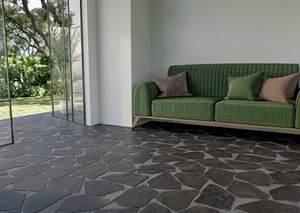
Matter is no longer merely an emotional refuge; it becomes an intelligent system capable of regenerating itself, storing memory and working alongside natural processes. Ceramics accompany this vision through surfaces that reinterpret the traces of the earth, sedimentation, patinas and organic textures, bringing the richness of the natural world into spaces designed to last.
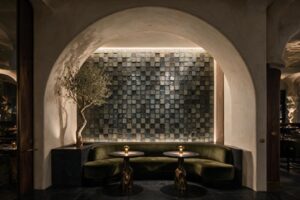
Interiors are recovering materials with identity, local techniques and building processes that highlight the origin of the material. Ceramics incorporate advanced technologies to reproduce reliefs, mineral finishes and material effects, maintaining the link with artisanal tradition while offering versatile solutions for contemporary architecture.
Heria: el patrimonio como innovación
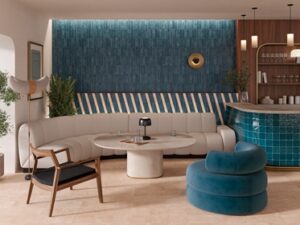
Frente a la velocidad de las tendencias, la producción globalizada y la estética intercambiable, crece el deseo por ambientes capaces de contar una historia, lugares donde la materia tenga memoria, los objetos revelen la huella de quien los ha creado y las referencias culturales aporten una identidad reconocible. En este contexto, la cerámica responde como un material profundamente vinculado al territorio, al oficio y a una tradición que se reinterpreta desde el diseño contemporáneo.
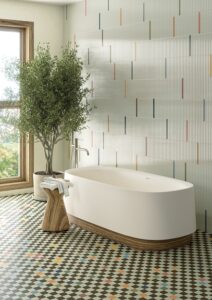
La figura del autor adquiere una nueva relevancia: su mirada, su gesto y su forma de interpretar el oficio convierten cada pieza en algo más que un objeto funcional, dotándola de intención, singularidad y valor narrativo. La cerámica traslada esta dimensión a través de formatos, relieves, esmaltes, colores y acabados que evocan procesos artesanales, permitiendo crear composiciones con personalidad propia.
Los interiores de Heria recuperan la riqueza cultural como elemento de proyecto. Los espacios dejan de buscar la uniformidad para construir atmósferas más expresivas, cercanas y reconocibles. La cerámica acompaña esta tendencia mediante colecciones que dialogan con la memoria mediterránea, las técnicas locales y los lenguajes decorativos tradicionales, al tiempo que ofrecen la versatilidad y las prestaciones técnicas necesarias para los espacios contemporáneos.
Heria: heritage as innovation
In the face of fast-moving trends, globalized production and interchangeable aesthetics, there is a growing desire for environments that can tell a story: places where matter has memory, objects reveal the mark of their maker and cultural references provide a recognizable identity. In this context, ceramics respond as a material deeply tied to territory, craft and a tradition that is reinterpreted through contemporary design.
The figure of the author takes on new relevance: their outlook, their gesture and their way of interpreting the craft make each piece more than a functional object, endowing it with intention, uniqueness and narrative value. Ceramics convey this dimension through formats, reliefs, glazes, colors and finishes that evoke artisanal processes, allowing compositions with a personality of their own.
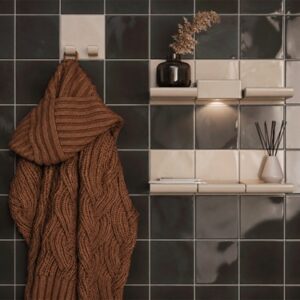
Heria interiors bring back cultural richness as a design element. Spaces stop seeking uniformity and instead build more expressive, approachable and recognizable atmospheres. Ceramics accompany this trend through collections that engage with Mediterranean memory, local techniques and traditional decorative languages, while offering the versatility and technical performance that contemporary spaces require.
Carescapes: la infraestructura del cuidado
Esta tendencia evoluciona hacia una nueva cultura del cuidado integrada en el hábitat, con superficies que ya no solo suavizan el espacio, sino que participan en la experiencia física, sensorial y emocional de quienes lo habitan. En este escenario, la cerámica aporta soluciones capaces de acompañar el bienestar cotidiano a través de materiales duraderos, higiénicos y visualmente equilibrados.
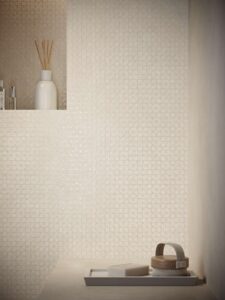
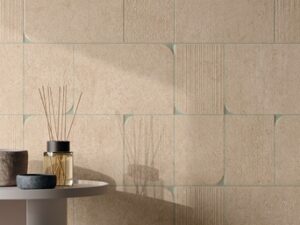
La arquitectura recurre a formas envolventes, iluminación indirecta, materiales táctiles y paletas serenas para crear ambientes que reducen la sobreestimulación y favorecen la recuperación física y emocional. La cerámica responde mediante acabados mate, relieves sutiles, texturas suaves y tonalidades minerales, arenas, beiges, verdes apagados o grises cálidos, que aportan calma, profundidad y continuidad a suelos, paredes y otras superficies.
El diseño deja de limitarse a crear atmósferas serenas para empezar a construir entornos capaces de regular, acompañar y proteger. Diseñar un espacio es diseñar cómo queremos que las personas se sientan en él. Desde esta perspectiva, la cerámica se convierte en un aliado para proyectar interiores confortables y saludables, fáciles de mantener y capaces de generar una conexión emocional con quienes los habitan.
Carescapes: the infrastructure of care
This trend moves toward a new culture of care built into the habitat, with surfaces that no longer merely soften the space but take part in the physical, sensory and emotional experience of those who live in it. In this scenario, ceramics provide solutions that support everyday well-being through durable, hygienic and visually balanced materials.
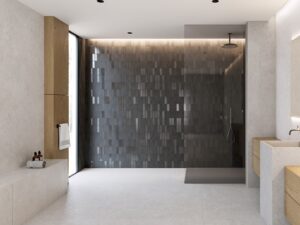
Architecture turns to enveloping forms, indirect lighting, tactile materials and serene palettes to create environments that reduce overstimulation and support physical and emotional recovery. Ceramics respond with matte finishes, subtle reliefs, soft textures and mineral tones (sands, beiges, muted greens or warm grays) that bring calm, depth and continuity to floors, walls and other surfaces.
Design is no longer limited to creating serene atmospheres; it begins to build environments capable of regulating, supporting and protecting. Designing a space means designing how we want people to feel in it. From this perspective, ceramics become an ally in designing comfortable, healthy interiors that are easy to maintain and able to create an emotional connection with the people who inhabit them.
Lux Arcana: el lujo como código reservado
El lujo de estatus recupera el valor del patrimonio, la tradición y la arquitectura histórica, no desde la nostalgia literal, sino reformulando sus códigos de poder: permanencia, cultura, oficio y legitimidad. La cerámica responde a esta tendencia como un material capaz de unir una profunda herencia artesanal con innovación tecnológica, ofreciendo superficies pensadas para perdurar y aportar valor a largo plazo.
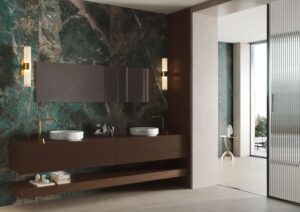
Los interiores de Lux Arcana reducen el ruido visual para concentrarse en la calidad de cada decisión. En este contexto, la cerámica adquiere una presencia esencial a través de acabados sofisticados, formatos cuidados y superficies inspiradas en mármoles, piedras naturales, metales o pátinas. Materiales que transmiten exclusividad sin recurrir a la ostentación.
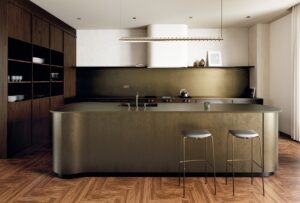
La arquitectura se vuelve escultórica, las superficies adquieren protagonismo y la luz revela la riqueza de los materiales. La cerámica permite trabajar con vetas, relieves, brillos sutiles y tonalidades profundas para construir espacios de gran intensidad visual. Un lujo contemporáneo que no necesita exhibirse: se percibe en la calidad, la precisión y la riqueza sensorial de cada detalle.
Lux Arcana: luxury as a reserved code
Status luxury revives the value of heritage, tradition and historic architecture, not through literal nostalgia but by reformulating its codes of power: permanence, culture, craft and legitimacy. Ceramics respond to this trend as a material that can combine a deep artisanal heritage with technological innovation, offering surfaces designed to last and to add long-term value.
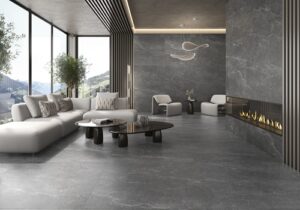
Lux Arcana interiors reduce visual noise to focus on the quality of every decision. In this context, ceramics take on an essential presence through sophisticated finishes, carefully chosen formats and surfaces inspired by marbles, natural stones, metals or patinas. These materials convey exclusivity without resorting to ostentation.
Architecture becomes sculptural, surfaces take center stage and light reveals the richness of the materials. Ceramics make it possible to work with veining, reliefs, subtle sheens and deep tones to build spaces of great visual intensity. A contemporary luxury that does not need to be displayed: it is perceived in the quality, precision and sensory richness of every detail.
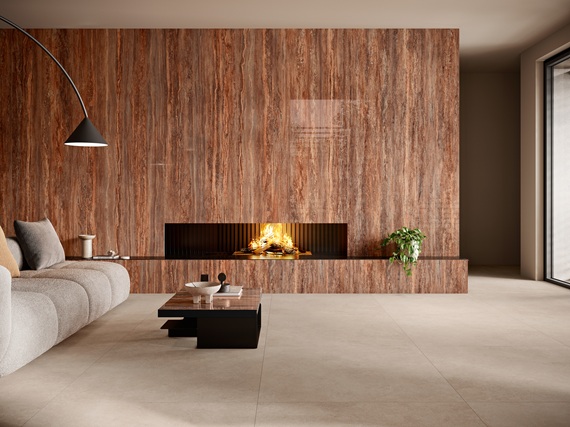
*Imagen portada / Cover image: Alaplana, Revestimiento: Cherry Stone (120×280 Rect. cm (6 mm) y 60×120 Rect. cm.); Pavimento: Rhein (Gres porcelánico:120×120, 100×100 y 60×120 Rect. cm; Azulejo pasta blanca:33,3×90 Rect. cm) / Alaplana, Wall tiles: Cherry Stone (120 × 280 cm (6 mm) and 60 × 120 cm); Flooring: Rhein (Porcelain stoneware: 120 × 120, 100 × 100 and 60 × 120 cm; White-body tiles: 33.3 × 90 cm)